
Decisions we make about what to grow and how to grow it shape the future of food, local and global economies and even our social fabric. Take seeds. For Indigenous Peoples, traditional seeds and plants are inseparable from Country. Science, on the other hand, takes a more pragmatic view, using innovations like genomics to breed hardier, higher-yield, pest-resistant plants that thrive even in environments ravaged by climate change.
And then there’s who to feed - the many or the few, the prosperous or the hungry? And what about heritage - balancing small-scale farming with the industrial production increasingly vital to feeding the world. Does it matter? Well, it does to the seeds - or rather to their fate and diversity.
Join moderator Dr Peter Crisp from UQ's School of Agriculture and Food Sustainability as he moderates a fascinating panel discussion on the future of food, told through the story of seeds. Then make up your own mind if it matters.
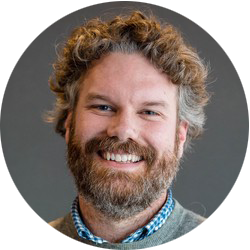 Moderator: Dr Peter Crisp
Dr Peter Crisp is an expert in crop genomics, epigenomics and molecular genetics. He is a Group Leader and Senior Lecturer in the School of Agriculture and Food Sustainability at The University of Queensland. Peter’s research program is focused on crop functional genomics, epigenetics and biotechnology, and has significantly advanced our understanding of the contribution of epigenetics to heritable phenotypic variation in plants. Peter is a former recipient of an ARC DECRA Fellowship and a UQ Amplify Fellowship and an ASPS Goldacre awardee.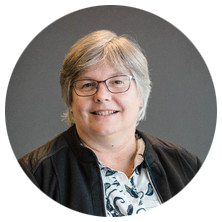 Professor Jaquie Mitchell
Professor Jaquie Mitchell has spent many years exploring how science can help build more productive, sustainable and resilient agricultural systems in various South-East Asian countries. Her research explores how crops respond to challenges such as heat, cold, drought, and soil salinity. Working closely with Australia’s rice industry, she leads projects aimed at developing rice varieties that use water more efficiently, withstand harsh growing conditions, and remain productive in a changing climate. Based at The University of Queensland’s School of Agriculture and Food Sustainability, Professor Mitchell also mentors undergraduate and postgraduate students, helping to train the next generation of agricultural scientists and researchers.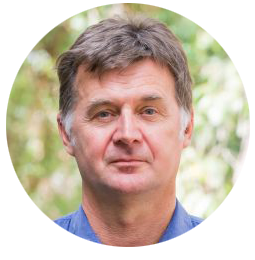 Professor Brad Sherman
Professor Brad Sherman is a UQ Laureate Fellow at The University of Queensland. Professor Sherman's previous academic positions include posts at Griffith University, the London School of Economics, and the University of Cambridge. His research focuses on the intersection of intellectual property and science and technology studies, as well as the impact of intellectual property on food and agriculture. He is currently working on the role intellectual property played in the formation of the Californian citrus industry in the early twentieth century.
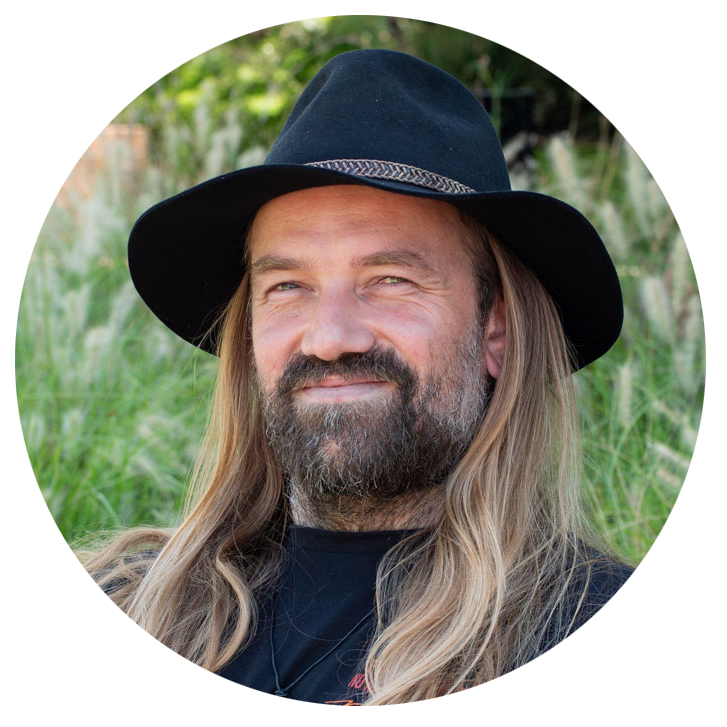 Jacob Birch
Jacob is a proud Gamilaraay man from QLD and a PhD candidate within QAAFI. Jacob's work focuses on Indigenous food sovereignty as nation-building, looking at the Gamilaraay peoples' governance of their native grains industry as a case study. Jacob is taking a systems approach in developing the nascent native grains industry. His priority is setting strong, strategic, sustainable, Indigenous-led governance to ensure opportunity and benefit remain with Indigenous peoples. Jacob also has active interests spanning the ecology and conservation of native grassland species; agronomic knowledge to help support reintroduction of native grains; supply chain and processing of native grains; nutrition and food safety; product development and marketing; and education and engagement. Jacob's passion also extends to the broader Indigenous food sovereignty movement. Through his work, Jacob collaborates across disparate spaces and advocates for the transformative potential of integrated, circular, sustainable, Indigenous-designed food systems that prioritise human and ecosystem health over profit and production.
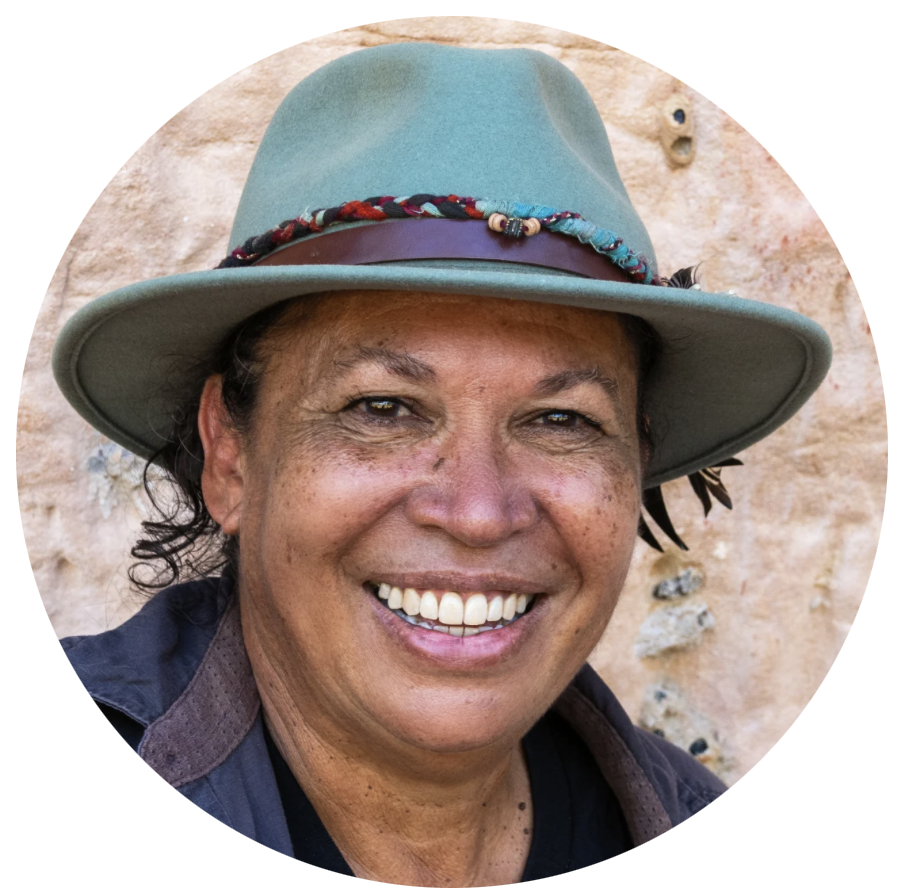 Suzanne Thompson
Her custodial connection to Country is continuous and carries on the work of her father, the late David Thompson and great-grandparents, King Billy and Polly of Bonnie Doon and Lourne, all of which had traditional links to the lands of the Kunngeri and Iningai peoples. Her great-grandparents and grandparents lived on and owned a small property on the fringes of Barcaldine at a time when the rest of Indigenous Australia was classified under the Flora and Fauna Act. The family has retained this property to the present day. Suzanne also performs as a traditional dancer and conducts traditional cleansing ceremonies for dignitaries, national media and tourists to her cultural homelands.
Suzanne returned to Country after 2 decades of working within government agencies and private business enterprises. She worked in the areas of youth and policy development, community development and Brisbane City Council as an Indigenous business adviser for Blak Business Smart Business. Suzanne owned and managed a successful gallery on the Sunshine Coast, while at the same time being a regular stall holder at Eumundi Markets where she offered a range of unique hand-crafted products that told stories of her ancestral knowledge and practices.
Since returning home to Barcaldine, Suzanne opened a private gallery, teamed up with landowners of the district as a committee member of Desert Uplands and is currently working in partnership with Robyn Adams the owner of a grazing property called Stratford. Together they are developing an exciting and immersive tourism experience called Yambangku Stratford, which embraces the positive relationships and knowledge of both Indigenous and non-Indigenous contributions to the region. This very experience was captured on camera and presented as part of the 2015 Our Stories Our Way 'Yambuka with Suzanne' and presented on NITV in July 2015 as part of The Production Line by Bacon Factory Productions.
Suzanne also works closely with her family and other members of her community to develop regional enterprise and employment opportunities and is currently compiling research and local knowledge that will contribute to developing a broader understanding of:
- bushfoods and medicine resource to share with tourists, visitors and locals
- Iningai language research and local history collections to be included in a new range of tourism products along with ensuring that future generations will continue to bring back the Iningai.
Date: 31 August 2026
Time: 6:00-8:30pm
Venue: Long Room, Customs House, 399 Queen Street, Brisbane
About Alumni and community events
UQ alumni and community events take place in-person and online, across the globe, throughout the year. UQ alumni are invited to join the UQ ChangeMakers platform to access early event registrations, benefits and discounts.
You can also be notified of upcoming events when you update your details.


